

What Is an Importer of Record (IOR)? A Practical Guide
An Importer of Record is the party legally responsible for an import: classification, valuation, permits, duties and record keeping. Here is how IOR works and when you need it.
3 min read 0 comments
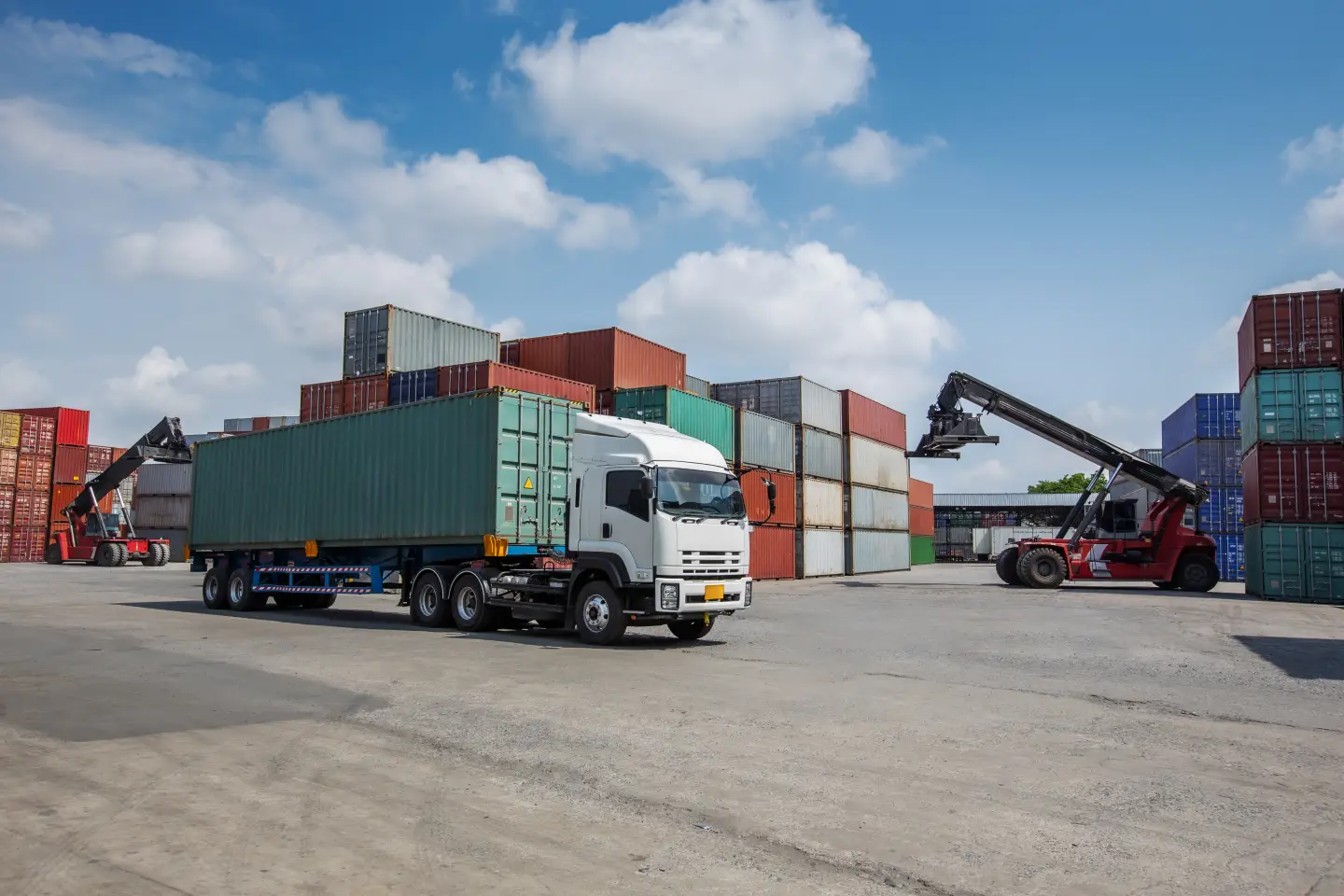
Every import has a party that customs holds legally responsible for it. That party is the Importer of Record (IOR). When your company sells or ships equipment into a country where it has no registered importing entity, someone else has to take on that role so the goods can clear customs lawfully.
The short answer
An Importer of Record is the person or company named on the import declaration who is responsible for making sure the goods meet the destination country's rules, that the declaration is accurate, and that duties and taxes are paid. Customs authorities look to the IOR if anything about the import is later questioned.
What an Importer of Record is responsible for
- Classification — assigning the correct Harmonized System (HS) code, which sets the duty rate and shows whether any controls apply.
- Valuation — declaring a customs value that reflects the real transaction and the country's valuation rules.
- Permits and certificates — obtaining import licences, type approvals or conformity certificates before the goods arrive.
- Declaration and payment — lodging the import entry and paying the duties, taxes and fees assessed by customs.
- Record keeping — keeping import records for the period the law requires and answering any post-clearance audit.
When does a business need an IOR service?
You typically need an IOR service when:
- You are delivering equipment to a customer, project site or office abroad and have no local legal entity there.
- Your customer will not, or cannot, act as the importer themselves.
- You have agreed to deliver on DDP (Delivered Duty Paid) terms, which make the seller responsible for import clearance.
- The goods need registrations or approvals that only a locally registered company can hold.
How an IOR shipment works
- Eligibility review — product details, specifications and the end user are checked against the destination's rules.
- Classification and permits — HS codes are confirmed and any licences or certificates are arranged in advance.
- Quotation — the importing party, documents, estimated duties and taxes and lead times are confirmed in writing.
- Shipping and clearance — the goods travel by air, sea or road and are declared in the IOR's name.
- Delivery and records — the goods are delivered and the clearance records are kept for audit.
IOR is not just paperwork
Because the IOR carries legal liability, a responsible provider will ask detailed questions about your goods and may decline shipments it cannot import compliantly. That is a sign of a careful partner, not an obstacle. Accurate product data at the start is the single biggest factor in avoiding delays at the border.
Next steps
Read more about Seajet's Importer of Record service, check the IOR and EOR coverage directory for your destination, or request a quotation with your product list.
Frequently asked questions
Who can act as Importer of Record?
Usually a company registered in the destination country with the customs and tax registrations needed to import. In some countries a non-resident company can act as importer through a fiscal representative; in others only a local entity can.
Is the Importer of Record the same as the consignee?
Not always. The consignee is the party the goods are delivered to, while the Importer of Record is the party legally responsible for the import declaration. They can be the same company or two different ones.
Who pays import duties and taxes in an IOR shipment?
The IOR pays them to customs at clearance. Commercially, those costs are usually passed on to the shipper or buyer as agreed in the quotation and the sales terms.
Can an IOR import any product?
No. Restricted or controlled goods may need permits or may not be importable at all, and each IOR shipment is reviewed individually before it is accepted.
This article is general information, not legal or customs advice. Requirements change; every shipment is assessed individually.




Comments (0)
Sign in to comment, reply and love comments.