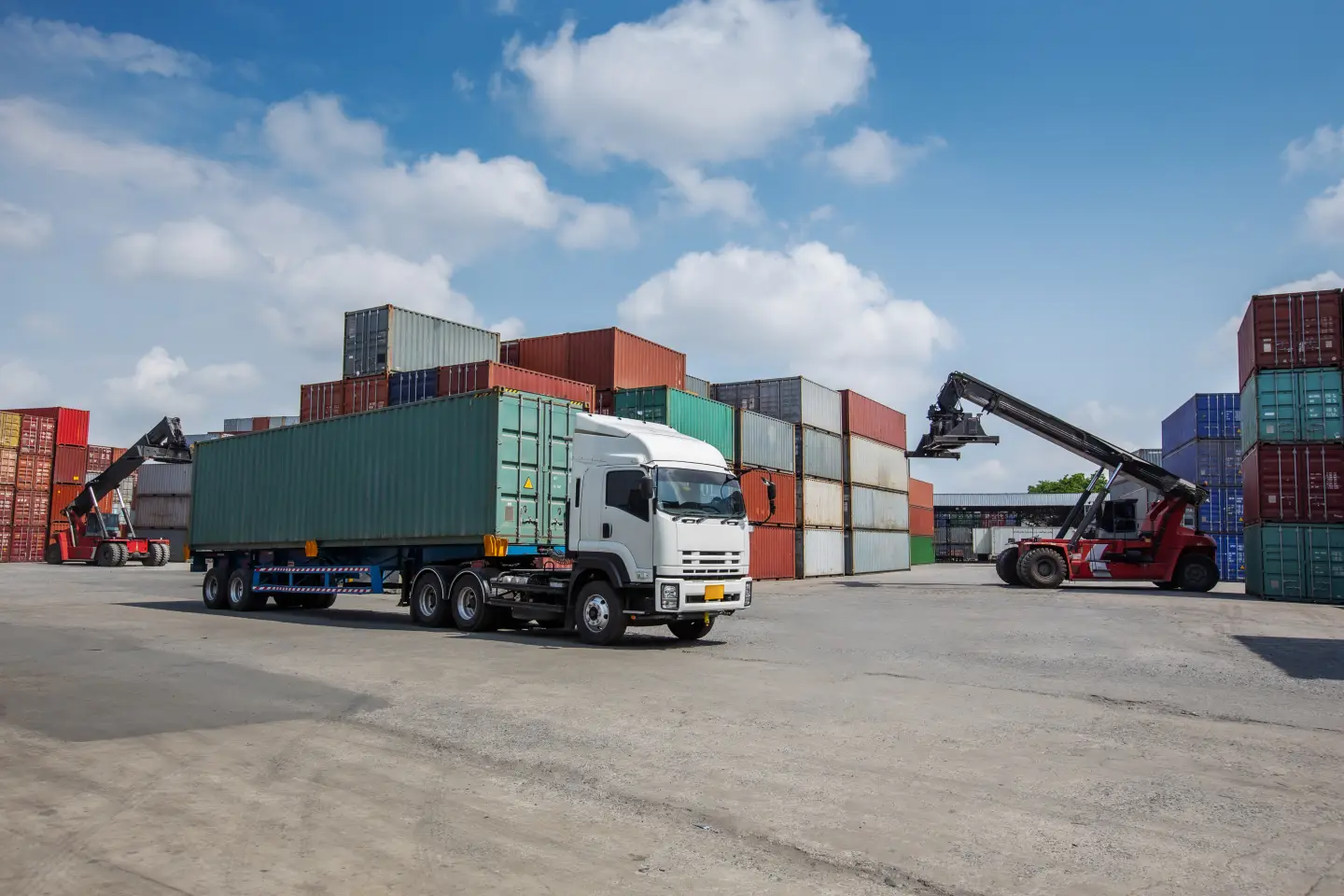
The Importer of Record (IOR) is the party named on the customs declaration as responsible for an import. That party must make sure the goods are correctly classified and valued, that any required licences or conformity certificates are in place, and that duties and taxes are paid.
Many companies sell or deploy equipment in markets where they have no local entity able to act as importer. Seajet coordinates the IOR role for those shipments, either directly or through a vetted local partner where the law requires a resident importer. We confirm which applies to your shipment before you commit.
What an Importer of Record is responsible for
- Classification — assigning the correct Harmonized System (HS) code, which drives duty rates and any controls.
- Valuation — declaring a customs value that reflects the transaction and the applicable valuation rules.
- Licences and certificates — obtaining import permits, type approvals, conformity certificates or other approvals before the goods arrive.
- Declaration and payment — lodging the import entry and settling duties, taxes and fees as assessed by the authority.
- Record keeping — retaining import records for the period the destination country requires and answering post-clearance queries.
Service vs. responsibility: who does what
In some countries Seajet can act as the importer; in others the law requires a locally registered company, so the IOR is a vetted partner and Seajet manages the process end to end. Each country guide states which model applies. Your quotation will name the importing party for your shipment.
Typical shipments we support
IT and network hardware for offices and data centres, telecom equipment, spare parts and replacement units, test and measurement instruments, and project equipment for installations. The current list is maintained below and on each country guide.
Why it matters
No local entity required
Deliver into a market without registering a company or appointing a customs representative yourself.
Compliance checked before shipping
Classification, permits and restricted-goods checks are completed before cargo moves, not when it is stuck at the border.
One accountable coordinator
A single team coordinates the importer, broker, carrier and delivery so you have one point of contact.
Transparent duty and tax estimates
Quotations separate service fees from estimated duties and taxes, which are always payable as assessed.
How it works
- 1 EnquiryShare the destination, a product list or commercial invoice, and your target delivery date.
- 2 Compliance reviewWe review HS classification, licences, conformity requirements and any restrictions for the destination.
- 3 Compliance plan & quoteYou receive a quotation naming the importing party, the documents needed and estimated duties and taxes.
- 4 ShipmentOnce permits are confirmed, the cargo is booked by air, sea or road with milestone updates in your portal.
- 5 Clearance & deliveryThe importer lodges the declaration, duties are settled and the goods are delivered to the end site.
How it compares
| Question | Importer of Record | Delivered Duty Paid (DDP) | Freight forwarding only |
|---|---|---|---|
| Who is the legal importer? | A named IOR in the destination country | The seller, which must be able to import in that country | The buyer or consignee |
| Who handles permits and certificates? | Coordinated as part of the service | The seller | The buyer |
| Who pays duties and taxes? | Paid through the IOR, recharged to you | The seller | The buyer |
| Best for | Deliveries where neither party has a local importing entity | Sellers already set up to import in the destination | Buyers who import themselves |
Countries with verified IOR coverage
Frequently asked questions
What is the difference between an Importer of Record and an Exporter of Record?
The Importer of Record is responsible for an import declaration and for paying duties and taxes in the destination country. The Exporter of Record is responsible for the export declaration and export-control compliance in the country the goods leave. A shipment can need one, both or neither, depending on where you have a registered entity.
When do I need an Importer of Record?
Typically when the goods need to enter a country where neither you nor your customer has an entity able — or willing — to act as importer. Common examples are deploying IT equipment to a new office, supplying a project site or shipping replacement parts to a customer abroad.
Is Seajet the legal importer in every country?
No. In some countries a locally registered company must act as importer, so the IOR is a vetted partner and Seajet manages the process. Each country guide states the model that applies, and every quotation names the importing party.
Can you guarantee that my goods will be accepted for IOR or EOR?
No provider can guarantee that before reviewing the shipment. Eligibility depends on the product, its classification, any licences required, the parties involved and the destination. We confirm eligibility in writing before you ship.