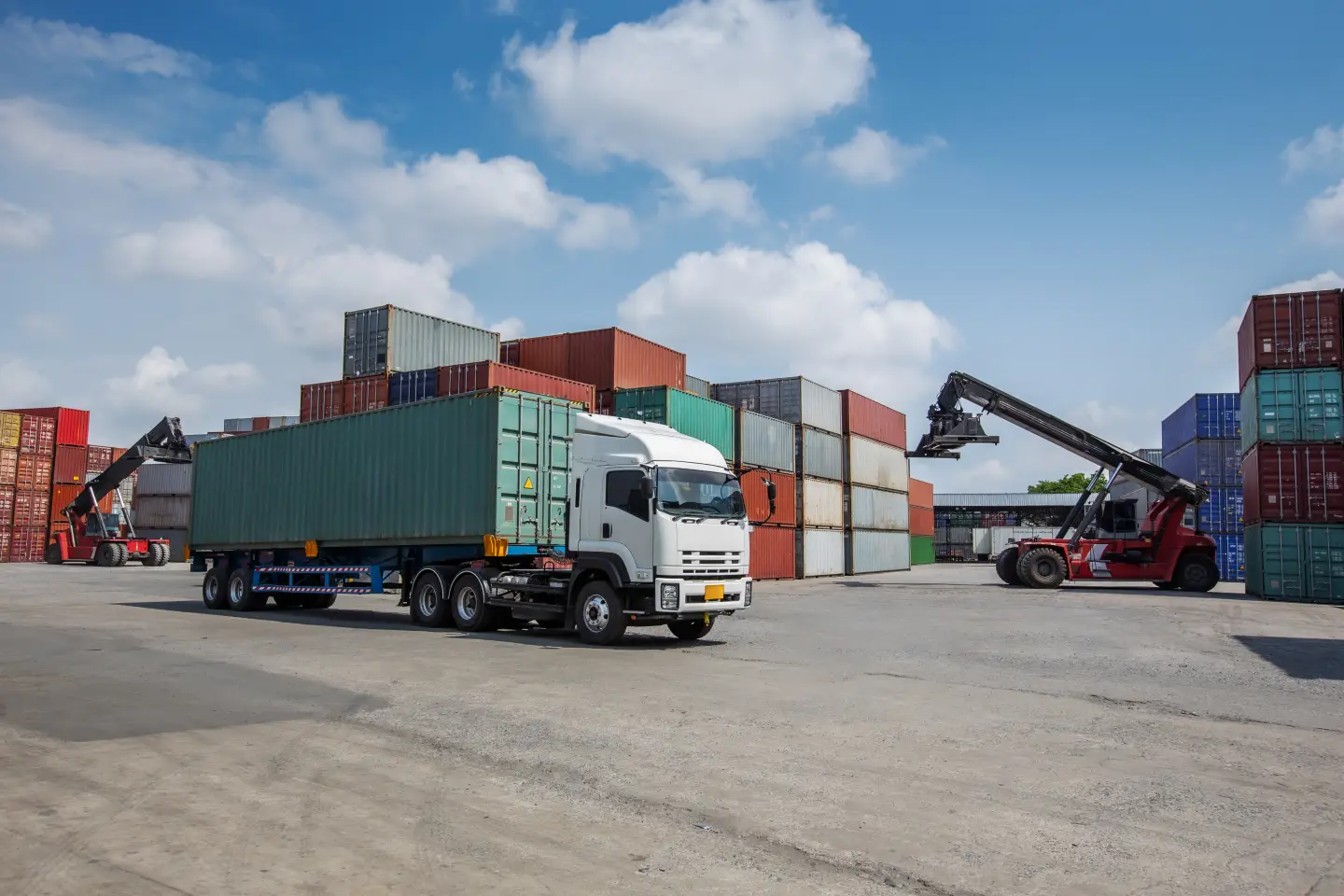
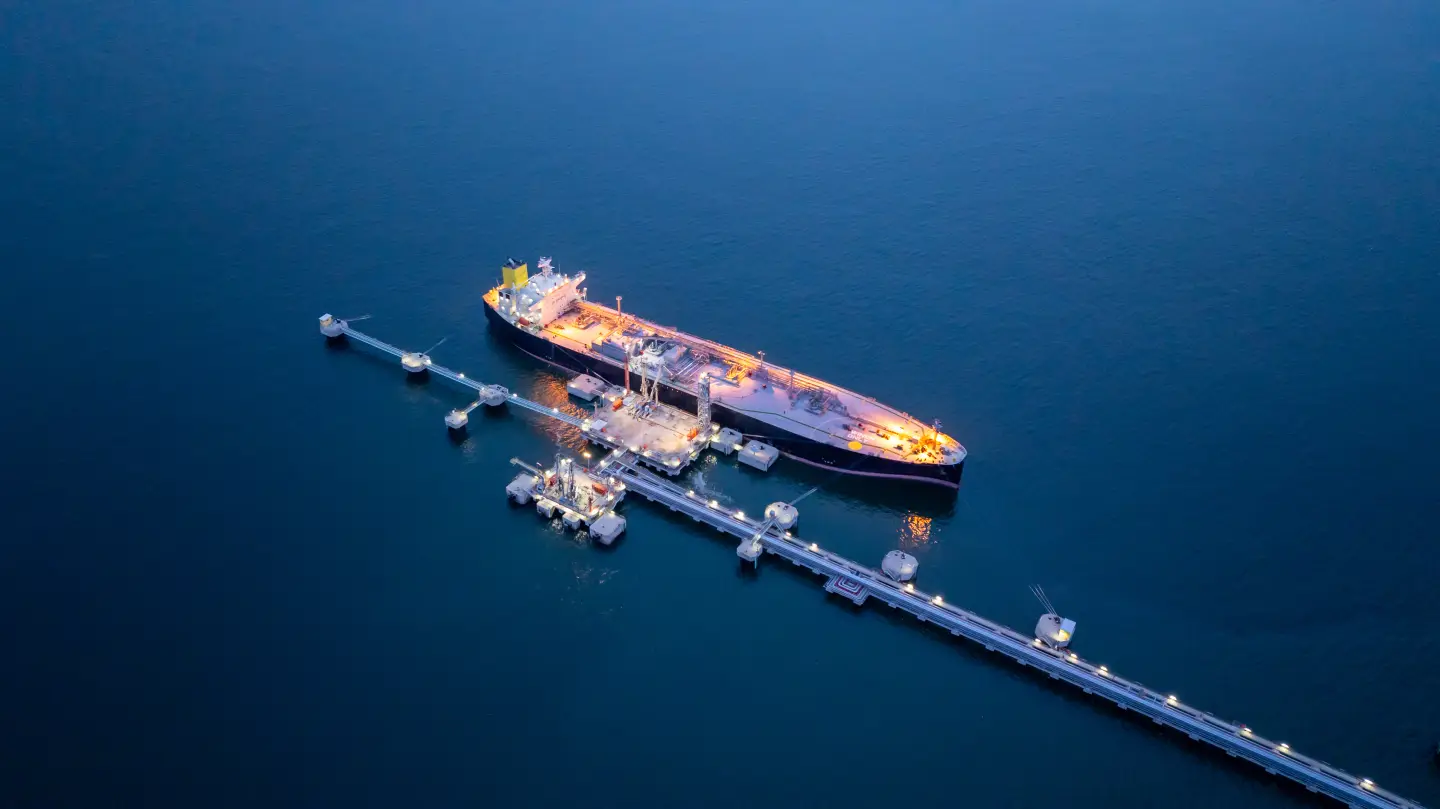
Ocean freight moves most of the world's trade. It is the economical option for larger volumes and heavy cargo when the schedule allows for longer transit times.
FCL or LCL?
Full container load (FCL) gives you a dedicated container — usually the better choice once your cargo fills most of a container or needs to stay sealed. Less than container load (LCL) shares container space with other shippers and suits smaller volumes.
Container types
| Type | Typical use |
|---|---|
| 20ft standard | Dense, heavy cargo |
| 40ft standard / high cube | Larger volumes and lighter, bulky cargo |
| Reefer | Temperature-controlled goods |
| Open top / flat rack | Out-of-gauge machinery and project cargo |
Exact internal dimensions and payloads vary by carrier and equipment; we confirm them when booking.
Why it matters
Lower cost per unit
The most economical mode for volume and weight.
Flexible equipment
Standard, high-cube, reefer and special containers.
Port-to-door coordination
Origin trucking, port handling, clearance and inland delivery in one plan.
How it works
- 1 RequestPorts or addresses, cargo volume, weight and ready date.
- 2 QuoteFCL or LCL options with indicative schedules.
- 3 BookingSpace and equipment booked with the carrier.
- 4 SailingDeparture, transhipment and arrival milestones recorded.
- 5 Clearance & deliveryImport clearance and delivery to the consignee.