

Customs Clearance Explained Step by Step
From pre-arrival documents to release, here is what happens during customs clearance, who is involved and how to keep your shipments moving.
2 min read 0 comments
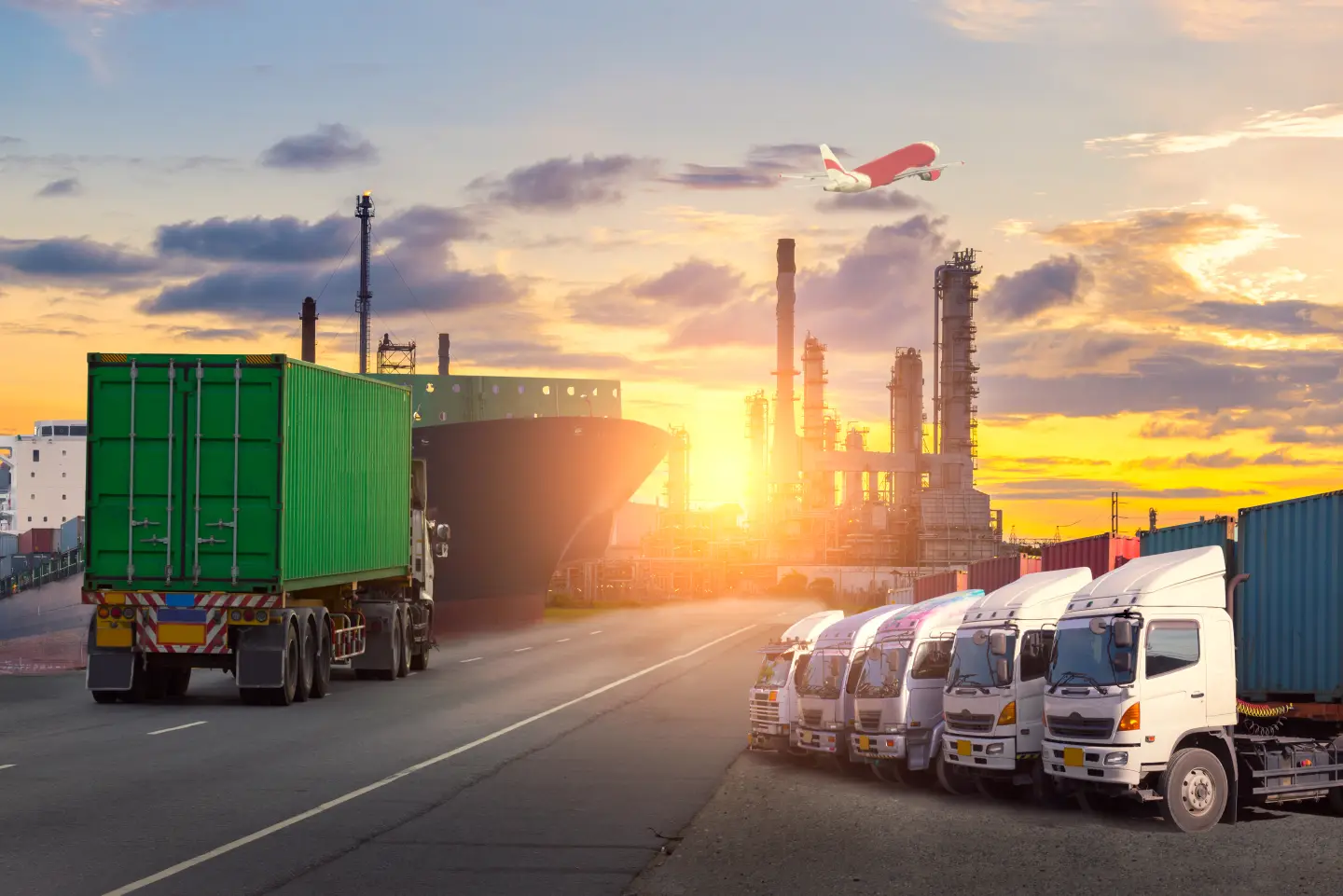
Customs clearance is the process of getting permission from a country's customs authority to bring goods in (or take them out). It sounds like a single event, but it is really a sequence of checks — and most delays come from problems that could have been fixed before the goods arrived.
Step 1: Prepare the documents
The core set for most imports is:
- Commercial invoice — seller, buyer, description, quantity, value, currency and terms of sale.
- Packing list — packages, weights, dimensions and contents.
- Transport document — air waybill, bill of lading or road consignment note.
- Supporting documents — certificate of origin, permits, licences or conformity certificates where required.
Step 2: Classify and value the goods
Each item is given an HS code, which decides the duty rate and any controls. The customs value is calculated using the country's valuation rules, often including freight and insurance to the border.
Step 3: Lodge the declaration
The importer, or a customs broker acting for the importer, submits the import declaration — today almost always electronically. Many countries allow lodging before arrival, which saves time.
Step 4: Risk assessment and inspection
Customs systems assess each declaration for risk. Most shipments are released on documents alone; some are selected for a document check or a physical inspection. Clear descriptions and consistent documents reduce the chance of avoidable queries.
Step 5: Pay duties and taxes
Duties, import VAT or GST and any other charges are assessed and paid, or secured under a deferment arrangement.
Step 6: Release and delivery
Once customs releases the goods, they can be collected from the port, airport or border and delivered.
Step 7: Keep the records
The importer must keep clearance records for the period the law requires and may be audited after release.
Checklist before you ship
- Descriptions are specific (what it is, what it is made of, what it does).
- Invoice value matches the purchase order and payment.
- Weights and package counts agree across documents.
- Permits and certificates are ready before departure.
- The importer of record is confirmed.
Seajet's customs clearance service covers document checks, classification guidance and declaration support. Country-specific requirements are listed in our country guides.
Frequently asked questions
How long does customs clearance take?
It varies by country, goods and inspection. Shipments with complete, consistent documents and permits in place are usually released fastest; inspections or missing documents add time.
Can customs clearance start before the goods arrive?
In many countries yes. Lodging the declaration before arrival lets customs assess it in advance and can shorten the time at the port or airport.
What happens if customs selects my shipment for inspection?
Customs checks the documents or the goods themselves against the declaration. If everything matches, the goods are released; if not, corrections, extra charges or penalties may follow.
Who is responsible for paying import duties?
The importer of record. Who bears the cost commercially depends on the sales terms, such as DAP or DDP.
This article is general information, not legal or customs advice. Requirements change; every shipment is assessed individually.
Comments (0)
Sign in to comment, reply and love comments.