

FCL vs LCL: Choosing the Right Sea Freight Option
Should you book a full container or share one? Compare FCL and LCL sea freight on cost, handling, timing and risk — with a simple rule of thumb.
2 min read 0 comments
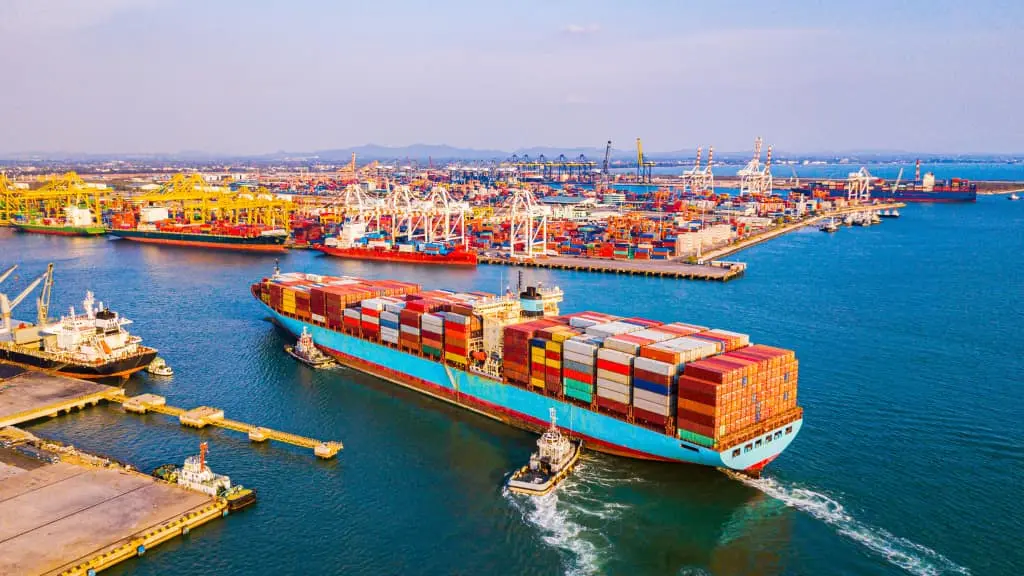
Sea freight is the most economical way to move large volumes of cargo internationally. The first decision is whether to book a full container (FCL) or share space in one with other shippers (LCL).
FCL: Full Container Load
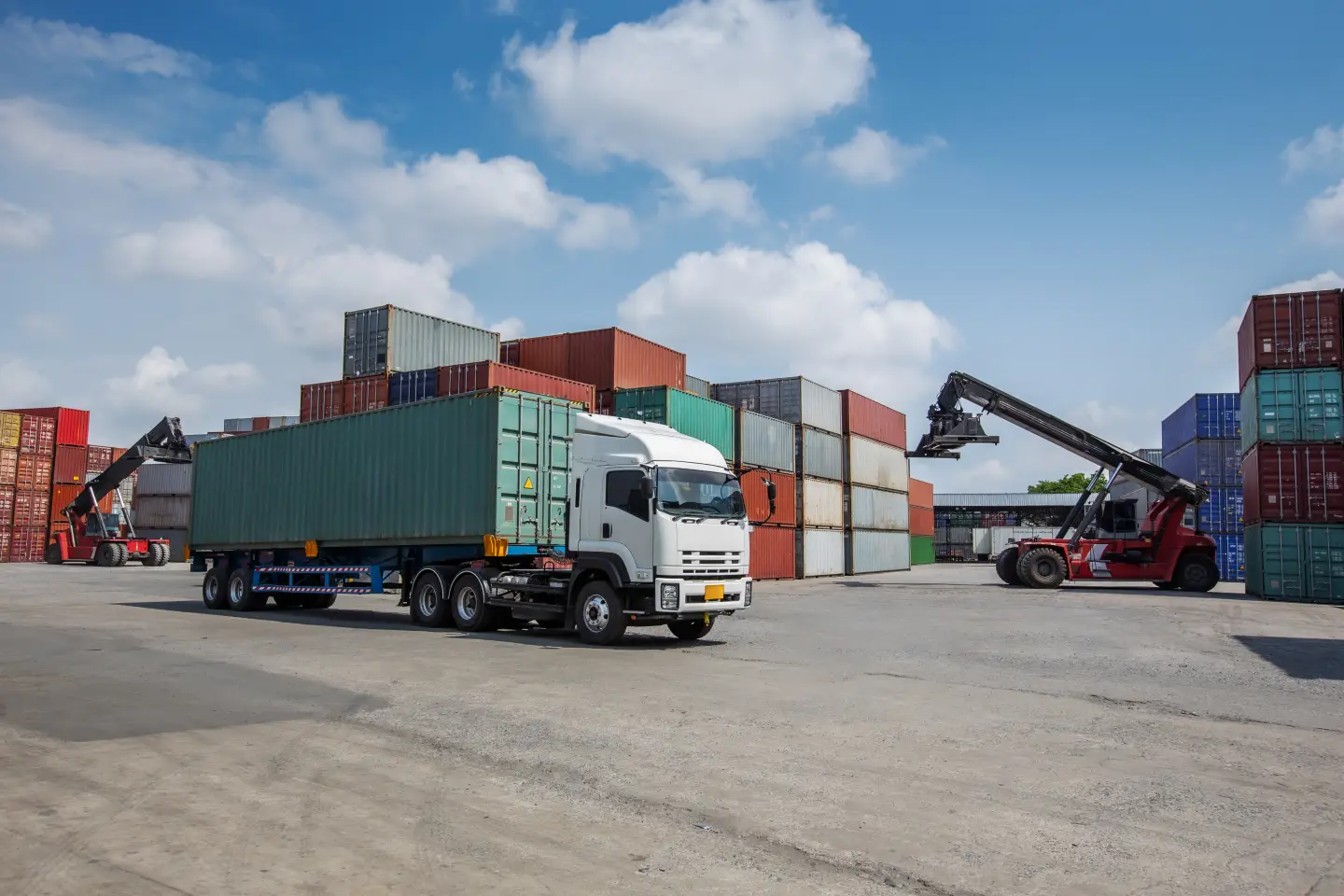
With FCL you book a whole container for your cargo. It is sealed at origin and opened only at destination (unless customs inspects it).
- Less handling, so lower risk of damage or loss
- Usually simpler and more predictable timing
- Fixed cost per container, whether full or not
LCL: Less than Container Load
With LCL your cargo is consolidated with other shippers' goods at a warehouse (container freight station), shipped in a shared container and separated again at destination.
- Pay only for the space you use
- Ideal for smaller or regular shipments
- More handling and extra time for consolidation and deconsolidation
- A customs hold on someone else's cargo in the same container can delay yours
How LCL is charged
LCL is usually priced per revenue ton (W/M): one cubic metre or 1,000 kg, whichever is greater. A shipment of 4 m³ weighing 1,500 kg is charged as 4 revenue tons; a shipment of 2 m³ weighing 3,000 kg is charged as 3.
Common container sizes
| Container | Approximate usable volume | Typical use |
|---|---|---|
| 20-foot standard | About 33 m³ | Heavy, dense cargo |
| 40-foot standard | About 67 m³ | General cargo |
| 40-foot high cube | About 76 m³ | Light, bulky cargo |
Actual loadable volume depends on packaging and pallet sizes, and weight limits vary by carrier and road rules at each end.
Rule of thumb
Once a shipment approaches roughly half a 20-foot container, compare FCL and LCL quotations — FCL can become the better value and brings lower handling risk. Fragile, high-value or urgent goods often justify FCL even at lower volumes.
See Seajet's sea freight service or request an FCL or LCL quote.
Frequently asked questions
What does FCL and LCL mean?
FCL (Full Container Load) means booking a whole container for your cargo. LCL (Less than Container Load) means sharing a container with other shippers.
How is LCL sea freight charged?
Usually per revenue ton: one cubic metre or 1,000 kg, whichever is greater.
When is FCL cheaper than LCL?
Often once a shipment fills roughly half a 20-foot container, but it depends on the route and local charges, so compare door-to-door quotations.
Is LCL slower than FCL?
Usually a little, because cargo must be consolidated at origin and separated at destination, and the container depends on all shipments in it being cleared.
This article is general information, not legal or customs advice. Requirements change; every shipment is assessed individually.


Comments (0)
Sign in to comment, reply and love comments.