

Returns, Repairs and RMA Shipments: Using IOR and EOR Together
Faulty units, advance replacements and repaired parts cross borders in both directions. Here is how IOR and EOR keep return and repair flows compliant and cost-effective.
2 min read 0 comments
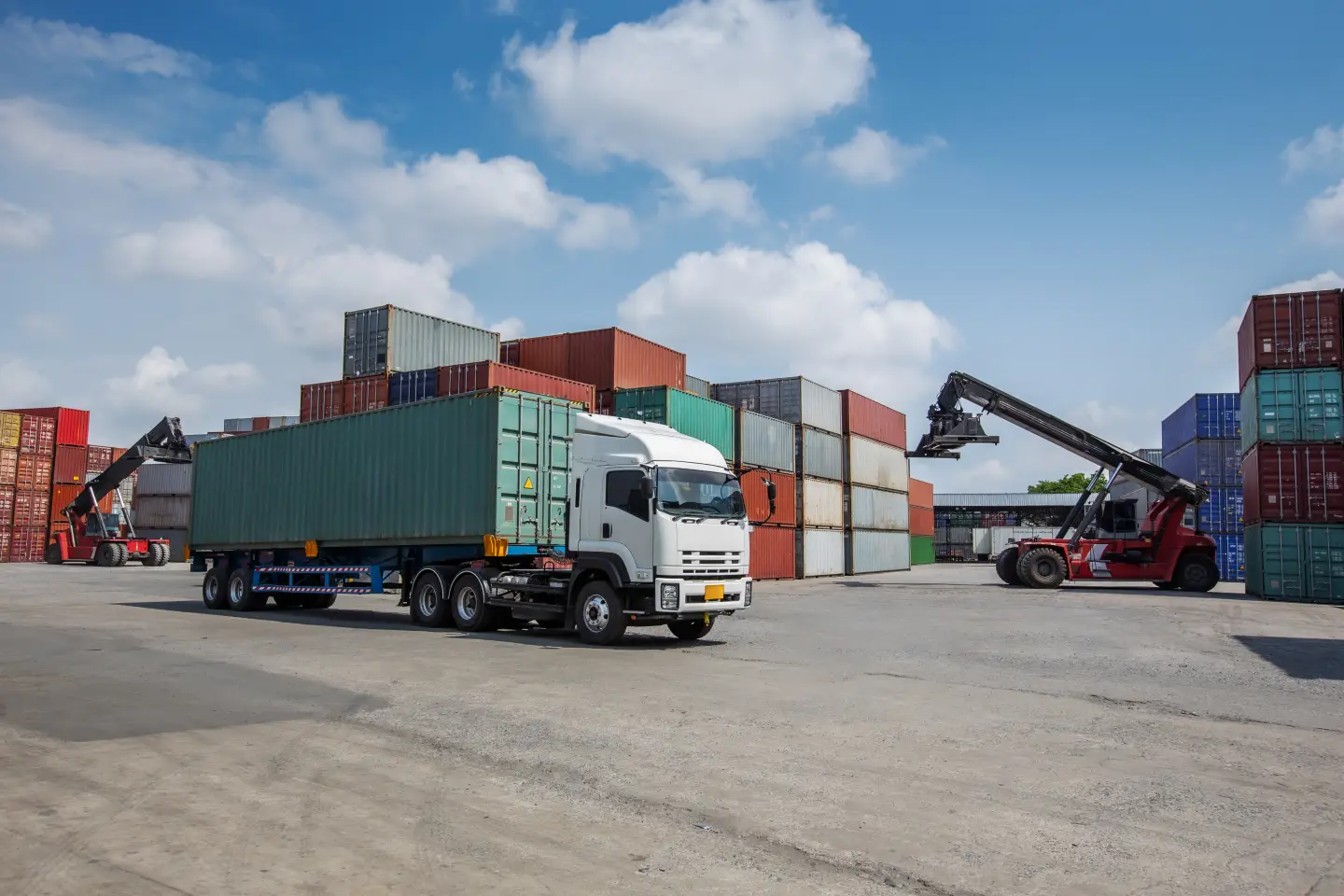
Supporting equipment abroad means parts moving in both directions: replacements going out, faulty units coming back, and repaired items returning again. Each movement is an export from one country and an import into another — so each needs an Exporter of Record and an Importer of Record.
A typical repair loop
- Replacement out — a spare part is exported from the depot and imported into the customer's country (IOR at destination).
- Faulty unit back — the failed part is exported from the customer's country (EOR at origin) and imported at the repair centre.
- Repaired unit — the repaired part is returned to stock or to the field.
Why returns are often harder than deliveries
- The company that owns the part may have no entity in the country where it failed.
- Faulty goods still need a declared value, even if they have no resale value.
- Used or defective goods can face extra checks or restrictions on import.
- Small, urgent shipments leave little time to fix paperwork errors.
Duty relief for returns and repairs
Many customs systems offer relief so that goods are not taxed in full every time they cross a border, for example:
- Returned goods relief for items re-imported unchanged within a set period.
- Outward processing for goods sent abroad for repair, where duty may apply only to the value of the repair.
- Temporary admission for items brought in for a limited time and then re-exported.
Conditions and names differ by country, and relief usually has to be claimed at the time of declaration — not afterwards.
Make your RMA process customs-ready
- Record serial numbers on every invoice and packing list.
- State clearly whether goods are new, repaired, replacement or defective.
- Use a realistic value for faulty units based on agreed valuation rules.
- Check lithium battery rules for returned devices.
Seajet coordinates EOR and IOR for return and repair flows. Tell us about your RMA programme.
Frequently asked questions
Do I pay duty again when a repaired item comes back?
Not always. Many countries offer returned goods or outward processing relief, which can limit duty to the repair value or remove it, if the conditions are met and claimed at declaration.
What value should be declared for a faulty part?
A value has to be declared even for defective goods. It is usually based on agreed valuation rules for the item, not zero. Consistency across shipments matters.
Why do serial numbers matter in returns?
They prove the returning item is the same one that left, which is often required to claim duty relief.
Can advance replacements be shipped before the faulty unit is returned?
Yes. The replacement is a separate import and must be declared on its own, so the IOR arrangement at destination needs to be in place first.
This article is general information, not legal or customs advice. Requirements change; every shipment is assessed individually.


Comments (0)
Sign in to comment, reply and love comments.