

Road Freight Explained: FTL, LTL and Cross-Border Trucking
Road freight connects ports, airports, warehouses and customers — and often crosses borders. Compare full and part loads and learn how cross-border trucking works.
2 min read 0 comments
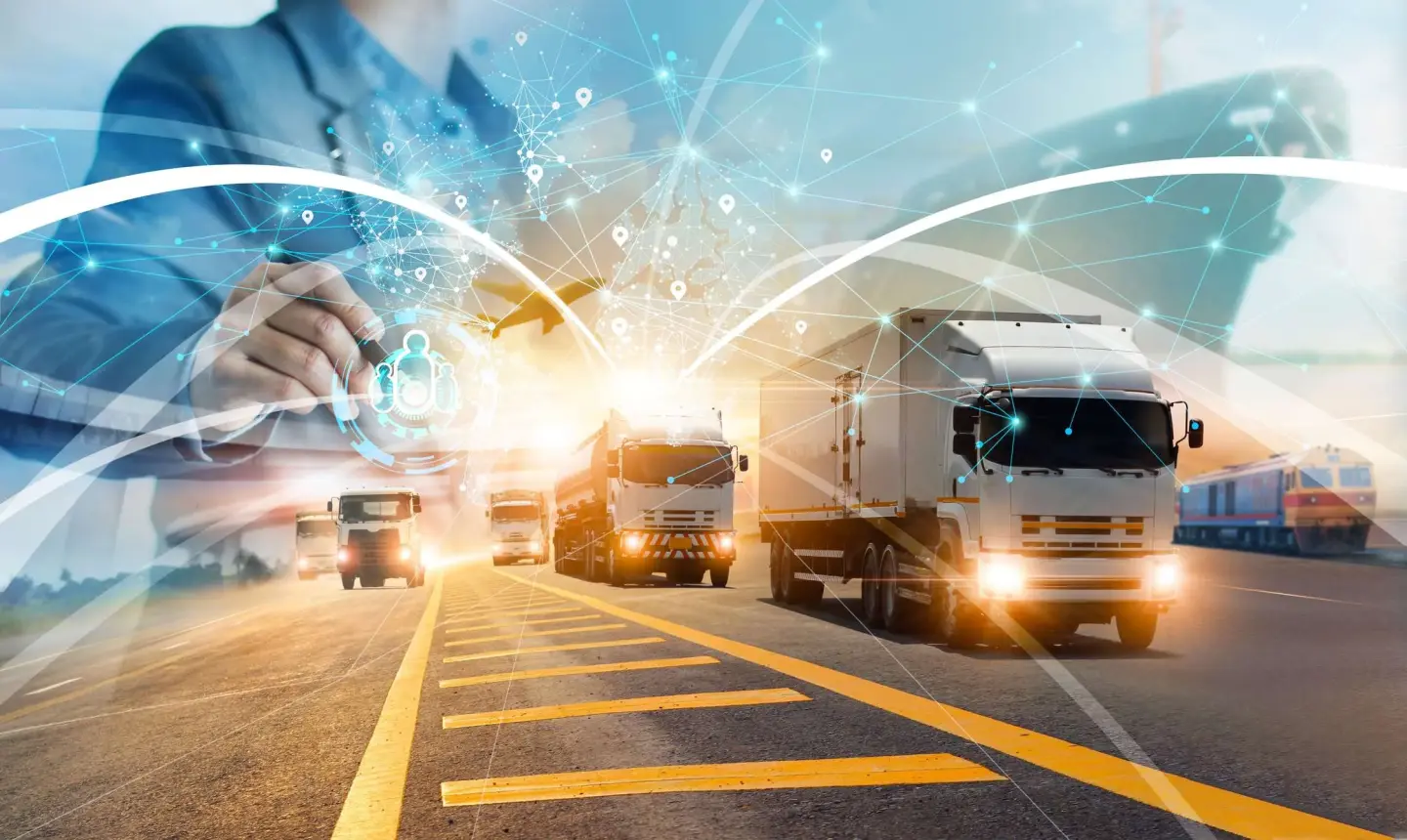
Almost every international shipment travels by road at some point — from the factory to the port, from the airport to the warehouse, or all the way across a border. Road freight offers flexibility, door-to-door service and, for regional trade, a cost-effective alternative to air.
FTL vs LTL
| FTL (Full Truckload) | LTL (Less than Truckload / part load) | |
|---|---|---|
| Space | Whole vehicle dedicated to your cargo | Shared with other shippers |
| Handling | Loaded once, unloaded once | May be transferred through hubs |
| Timing | Direct, more predictable | Depends on consolidation routes |
| Best for | Large, fragile or time-critical loads | Smaller shipments and pallets |
Choosing a vehicle
- Box or curtain-side trucks — general palletised cargo.
- Flatbeds and low-loaders — machinery and out-of-gauge cargo.
- Container chassis — moving sea containers to and from ports.
- Temperature-controlled units — goods that must stay in a set range.
Give the weight, dimensions, number of pallets and any loading constraints (forklift, tail-lift, crane) when requesting a quote.
Crossing borders by road
A cross-border truck journey involves export clearance at origin, transit procedures through any third countries, and import clearance at destination. Many regions use customs transit systems so goods can move under customs control — with a guarantee — and be cleared at an inland office rather than at the border.
Keeping cross-border loads moving
- Lodge declarations before the truck arrives at the border where possible.
- Make sure every document agrees on weights, package counts and seals.
- Check driver, vehicle and permit requirements for each country on the route.
- Track the vehicle and share border status with the receiver.
See Seajet's road freight service, read about cross-border road documents, or request a quote.
Frequently asked questions
What is the difference between FTL and LTL?
FTL dedicates a whole vehicle to one shipper. LTL combines several shippers’ cargo in one vehicle, so you pay for the space you use.
Is road freight cheaper than air freight?
For regional routes it usually is, especially for heavier or bulkier cargo, though it takes longer.
What information is needed for a road freight quote?
Collection and delivery addresses, weight, dimensions, number of pallets or packages, the type of goods and any loading or unloading constraints.
How are goods cleared at a land border?
Through export declarations at origin, transit procedures through any countries crossed, and import clearance at destination, often lodged before the truck arrives.
This article is general information, not legal or customs advice. Requirements change; every shipment is assessed individually.

Comments (0)
Sign in to comment, reply and love comments.