

What Is an Exporter of Record (EOR)? Responsibilities Explained
The Exporter of Record is responsible for an export declaration and for confirming goods may lawfully leave the country. Learn what EOR covers and when you need it.
2 min read 0 comments
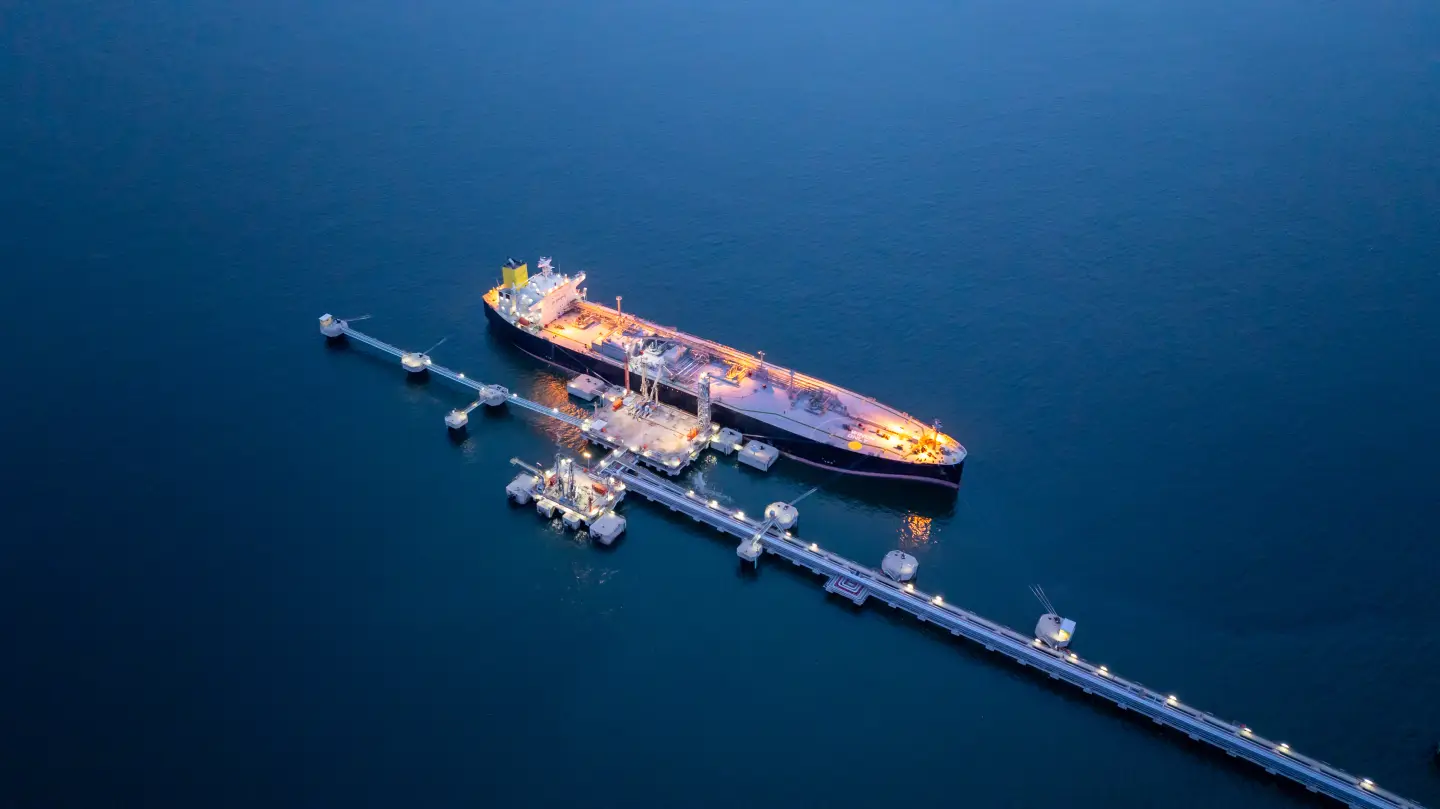
Just as every import needs an importer, every export needs a party responsible for it. The Exporter of Record (EOR) is the person or company that declares the export and confirms the goods may lawfully leave the country.
What the Exporter of Record does
- Export declaration — files, or authorises an agent to file, the export entry with customs.
- Export control check — confirms whether the goods, software or technology are controlled and whether a licence is needed.
- Sanctions and party screening — checks the buyer, end user and destination against applicable restricted-party lists.
- Licences — obtains any export licence before the goods leave.
- Proof of export — keeps the evidence that the goods left the country, which may also support tax treatment.
When do you need an EOR service?
- Equipment is leaving a country where your company has no legal entity — for example after a project, trade show or site closure.
- Faulty units need to be returned from a customer site to a repair centre.
- A local partner holds the goods but cannot or will not act as exporter.
- Controlled items need someone with the registrations to apply for an export licence.
How an EOR shipment works
- Review — product details, classification, value, end user and destination are checked.
- Controls and licences — the export control status is confirmed and licences are obtained if required.
- Documents — the commercial invoice, packing list and export declaration are prepared.
- Collection and export — the goods are collected, declared and moved by air, sea or road.
- Proof of export — the exit confirmation and records are retained.
EOR and IOR together
Many shipments need both ends covered: an EOR in the origin country and an IOR in the destination. Coordinating both under one plan keeps the documents consistent and avoids a shipment being exported without a confirmed importer.
Learn more about Seajet's Exporter of Record service, check the coverage directory or request a quote.
Frequently asked questions
What is the difference between an exporter and an Exporter of Record?
The commercial exporter is the seller. The Exporter of Record is the party named on the export declaration and responsible for its compliance. They are often the same company, but not always.
Do all exports need a licence?
No. Most goods can be exported without a licence, but controlled items, sanctioned destinations or restricted end users can make one necessary.
Why is proof of export important?
It shows the goods actually left the country. It is often needed to support zero-rated VAT or GST treatment and in customs audits.
Can EOR be used for returning faulty equipment?
Yes. Returning faulty units from a country where the owner has no entity is one of the most common reasons to use an EOR service.
This article is general information, not legal or customs advice. Requirements change; every shipment is assessed individually.
Comments (0)
Sign in to comment, reply and love comments.