

Bill of Lading Types Explained: Original, Telex Release and Sea Waybill
The bill of lading controls who can collect sea cargo. Learn the difference between original, telex-released and sea waybill documents and when each is used.
2 min read 0 comments
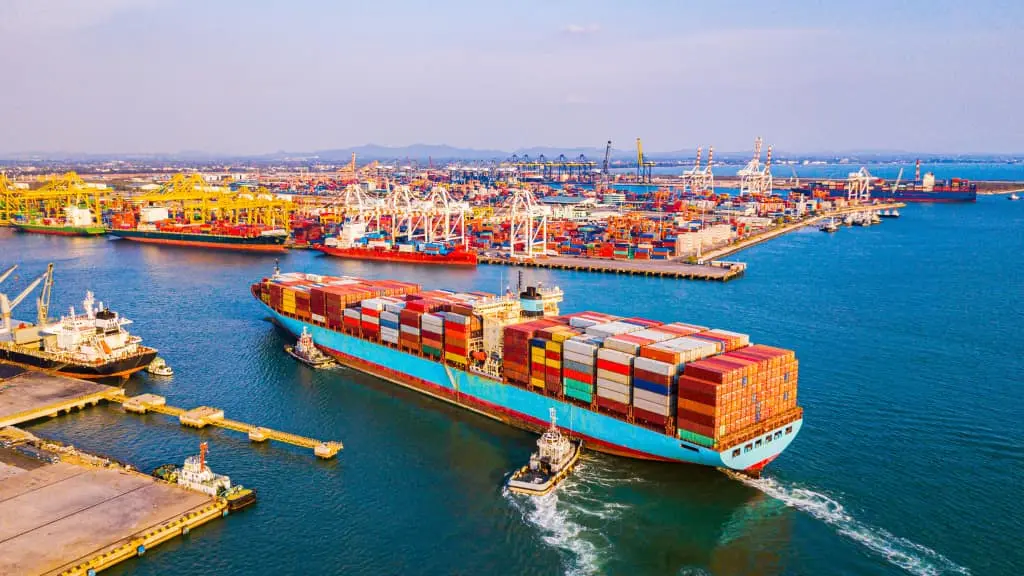
The bill of lading (B/L) is the most important document in sea freight. It decides who can collect the cargo at destination — so choosing the wrong type, or losing an original, can leave goods stuck at the port.
The three functions of a bill of lading
- Receipt — confirms the carrier received the goods in the stated quantity and apparent condition.
- Evidence of the contract of carriage — sets out the terms of transport.
- Document of title — for negotiable bills, whoever holds the original controls the goods.
Main types
| Type | How cargo is released | Typical use |
|---|---|---|
| Original (negotiable / “to order”) | Against surrender of an original B/L | Letters of credit, goods sold in transit, when payment must be secured |
| Straight B/L | To the named consignee (rules on originals vary by country) | Known buyer, no transfer of title needed |
| Telex release / surrendered B/L | Originals surrendered at origin; carrier releases at destination electronically | Payment already made, no need to courier originals |
| Sea waybill | To the named consignee on identification | Trusted trading partners, intercompany shipments |
House vs master bills of lading
When a forwarder consolidates cargo, the shipping line issues a master B/L to the forwarder, and the forwarder issues a house B/L to each shipper. Your cargo is released through both documents, so the details must match.
Electronic bills of lading
Electronic B/L platforms allow title to be transferred digitally. Adoption is growing as laws recognise electronic transferable records, but check that every party in the chain accepts them.
Checking your bill of lading
- Shipper, consignee and notify party are correct.
- Description, package count and weight match the invoice and packing list.
- Container and seal numbers are correct.
- The type of B/L matches the payment terms agreed with the buyer.
See Seajet's sea freight service or read FCL vs LCL to plan your next shipment.
Frequently asked questions
What is a telex release?
The shipper surrenders the original bills of lading at origin and the carrier tells its destination office to release the cargo without originals.
What is the difference between a bill of lading and a sea waybill?
A negotiable bill of lading is a document of title and must be presented to collect cargo. A sea waybill is not; cargo is released to the named consignee.
What happens if an original bill of lading is lost?
The carrier usually requires a letter of indemnity, often backed by a bank guarantee, before releasing the cargo.
What is a house bill of lading?
A bill of lading issued by a freight forwarder to the shipper when cargo is consolidated. The shipping line issues a master bill to the forwarder.
This article is general information, not legal or customs advice. Requirements change; every shipment is assessed individually.



Comments (0)
Sign in to comment, reply and love comments.